Services We Offer

The Essence of Who We Are
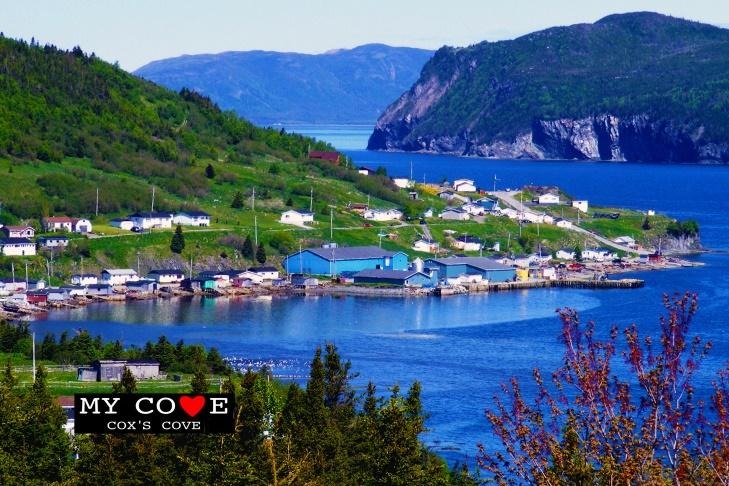
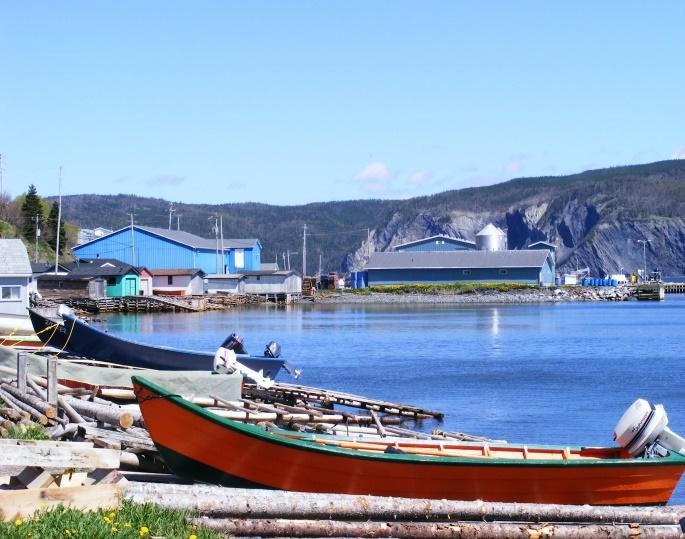
For European explorers, Newfoundland has been the entrance to North America. The Norse were here 1000 years ago. The Basques were here more than 600 years ago. The rest of Western Europe arrived more than 500 years ago while the First Nations have been here longer than we know. As one might imagine, settlement in such a strategic location has left us with an enchanting history. For European settlers, the main attraction of Newfoundland was the abundance of fish. The island is still dotted with tiny villages all along the coastline; sheltered from the wild North Atlantic and adjacent to its rich resources. Cox’s Cove, located 40 km. (25 miles) from the cruise ship terminal in Corner Brook is one of those villages. The fishery is still the lifeblood of the community. With a population of 650, the social fabric is still strong and strongly represents “the essence of who we are as a people”.
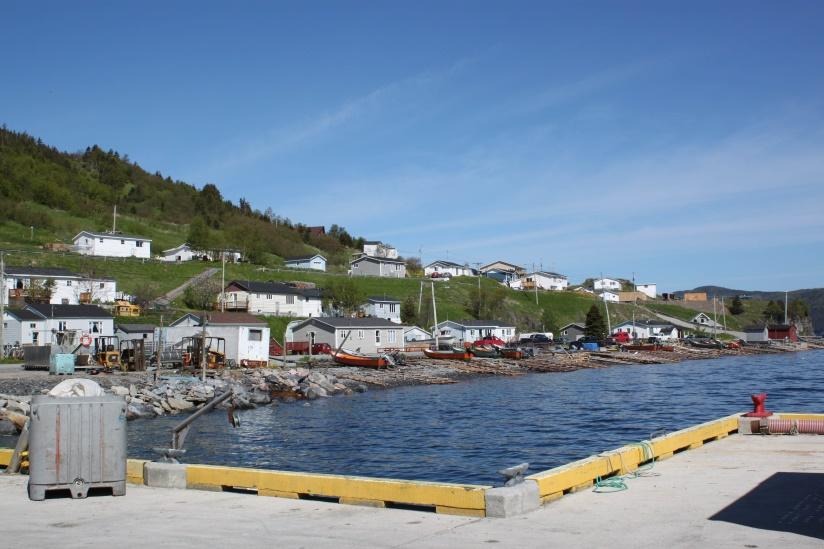
Here’s what we have to work with:
- Route 440 (38 km.) is a coastal highway leading from Corner Brook to Cox’s Cove with near constant mountainous backdrop.
- There are few places on Planet Earth where its mantle has been exposed. On the Route 440 drive two large mantle mountains are visible, The Blomidans and the North Arm Hills. Both those mountains have resulted from tectonic plate activity and this area is often referred to as the “Galapagos of plate tectonics”. We love to show and tell.
- Captain James Cook explored and mapped this region more than 250 years ago. There is an interpretation site of his work in Corner Brook and three of the larger islands visible on the route to Cox’s Cove bear his reference.
- Although the fishery has dominated our economy since the late 1400s, our area has been the centre of more than 100 years of forestry and hydroelectric developments.
- Indigenous groups settled this province around 7500 years ago and against the odds, some have survived. Joan technically is one of them and the story of one of her ancestors is compelling.
- Joan and Tony Oxford are both singer/songwriters. If a picture paints a thousand words, a song can represent a million. Tony has written two music albums, “500 Years” and “Viking Trails”, both of which are broad based in telling the story of our province. His third album, “Rubicon” reminds us of our global duties.
- Like most regions of our province, relative isolation has been a key factor in our music, language and dance cultures. We love to elaborate on that reality.
- We also love to talk about the evolution of our food culture. Whether it’s unique cod recipes, molasses from our Caribbean trading nations, or berries no one else recognizes, our culinary delights have very interesting stories. Our ultimate goal is to share some of those delights with our visitors.
- There are three topics we feel compelled to discuss with our guests:
- Confederation with Canada in 1949;
- The forced resettlement program instituted in the 1950s;
- The 1992 cod moratorium.
- There is a Newfoundland and Labrador tradition called “Screech In”. Although we have many better means of representing ourselves, we do participate in this activity upon request!!